


Dr Niccolo le Brun
New prospects: How understanding the ‘human element’ in industrial processes unlocked business opportunities
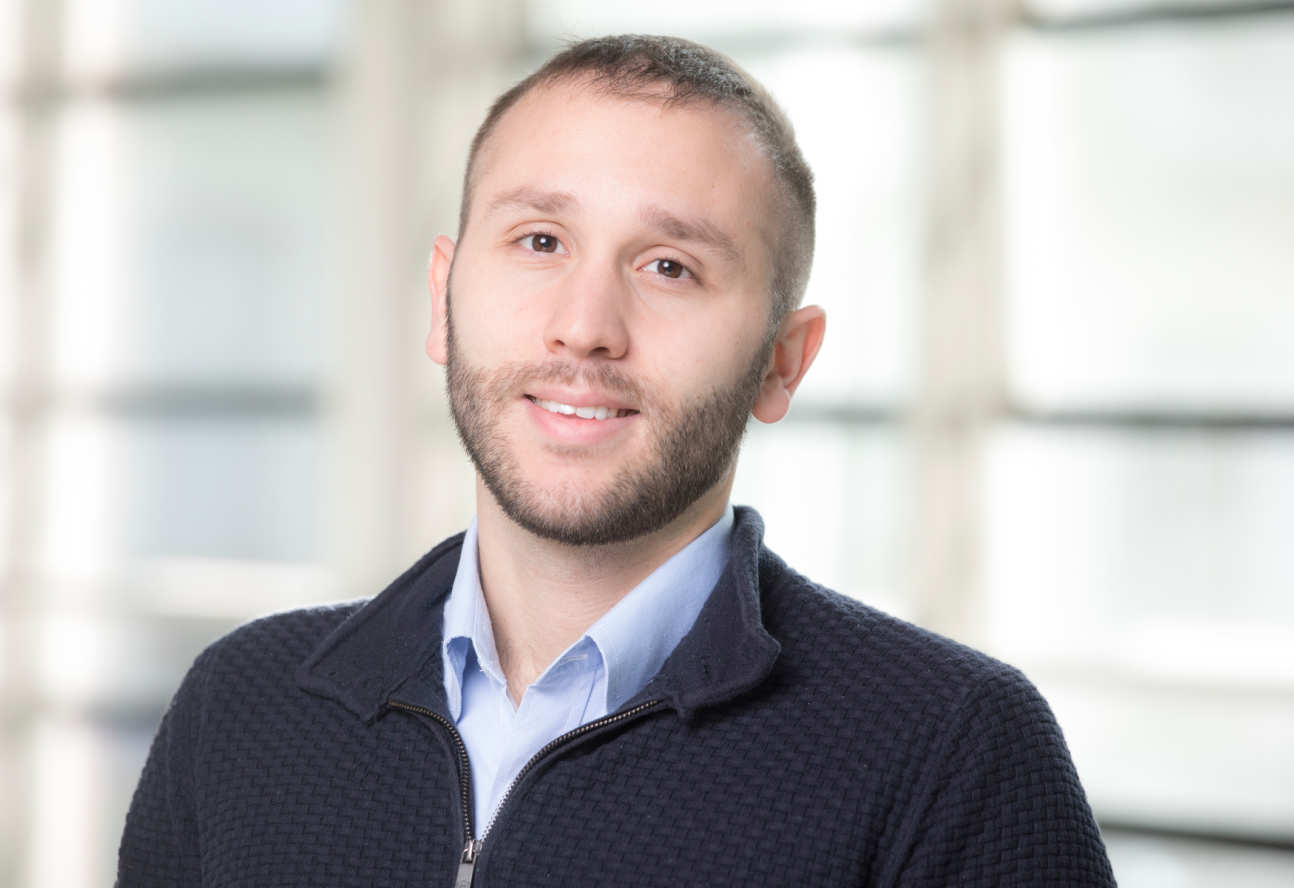
Dr Niccolo Le Brun was working as a research associate in Imperial’s Chemical Engineering Department when he applied to join the Techcelerate programme.
His area of research was ‘process system engineering’. “This means having a look at systems, like manufacturing or energy systems, and coming up with ways of optimising them through the use of modern software technology” he explains.
“You can imagine a chemical plant, where you might have a reactor and then a separation unit. These different units pass things to each other, so they interact, and you can improve the overall efficiency of the system by looking at the way these components interact with each other.”
"Techcelerate wasn’t the end, it was just the kick-off."
Dr Niccolo Le Brun
Prior to Techcelerate, Dr Le Brun says his group – run by Professor Nilay Shah – was already working with industry: “We worked closely with companies who wanted to improve their operation. Typically, they want to make sure they are running their systems as reliably as possible, as cheaply as possible, and, right now, as sustainably as possible.
“We saw a pattern in these requests so we wondered if we could automatise this process with a piece of software. Rather than doing a case-by-case job, we could come up with something that could address these problems more broadly and autonomously.”
So, Dr Le Brun joined Techcelerate to explore the idea commercially: “I saw this programme and thought it’s exactly for me. I didn’t know what to expect, but in the end, it was very much focused on talking to people, and that turned out to be really good.
“I went to visit different factories and industries, and I talked about real problems. I got a lot of helpful tips, both on the technical side and the commercial side, along the way.
“The main thing I got out is that there are some practicalities in the way businesses run that I wasn’t considering when I was developing the software. For example, someone might turn off a machine by mistake or record information incorrectly. These human elements are not things you would necessarily expect from working in your lab or your office.”
Although work on the software continues by researchers at Imperial, since Techcelerate, Dr Le Brun has taken a different path: “Right now, I am working for a company which applies similar software solutions to the oil and gas sector. In that sense, Techcelerate helped me a lot because I was able to understand the industry better, understand these human elements, and I grew as a professional figure.
“That’s one of the reasons why I’ve got the job that I’ve got now. Techcelerate also allows you to network and that can lead directly to job offers.”
Dr Le Brun says his current role offers him lots of room for growth, but he hasn’t ruled out the idea of starting his own business in the future. He adds: “I feel very confident and independent to take a new business idea forward. Techcelerate helped me realise what being an entrepreneur means; that you need to understand other people’s needs. After the programme, I kept going with the network and the knowledge I gained. So Techcelerate wasn’t the end, it was just the kick-off.”